How to Choose a Barcelona City Tour That Fits Your Time and Interests
Choosing a city tour in Barcelona is less about finding the most famous route and more about matching the day to your pace. The city is compact in some areas, steep in others, and packed with landmarks that reward different styles of visiting. A good plan starts with a simple question: what do you want to understand by the end of the day?
Start with the amount of time you really have
Before comparing routes, set an honest time limit. Barcelona can fill a long day easily, but a short visit needs a tighter plan. If you only have a few hours, focus on one district or one clear theme rather than trying to touch every landmark. A half day works well for the old centre, a first look at Gaudi, or a route through the main boulevards. A full day gives room for a slower walking route, a bus segment, and a break between major stops.
Also check where your day starts and ends. A tour that begins near your accommodation is easier to enjoy than one that requires a rushed crossing of the city first. If you arrive by cruise ship, train, or plane, leave a buffer. City transport is generally straightforward, but queues, heat, and crowded streets can turn a small delay into a missed start.
The best route is the one that fits your energy as well as your calendar. Barcelona streets invite wandering, and an overpacked day can leave little time to actually look at the buildings, plazas, and views that drew you there.
Decide how you like to move
The main choice is usually between a guided walking tour, a bus based route, or a mix of both. Each option has a different rhythm, and none suits every traveller.
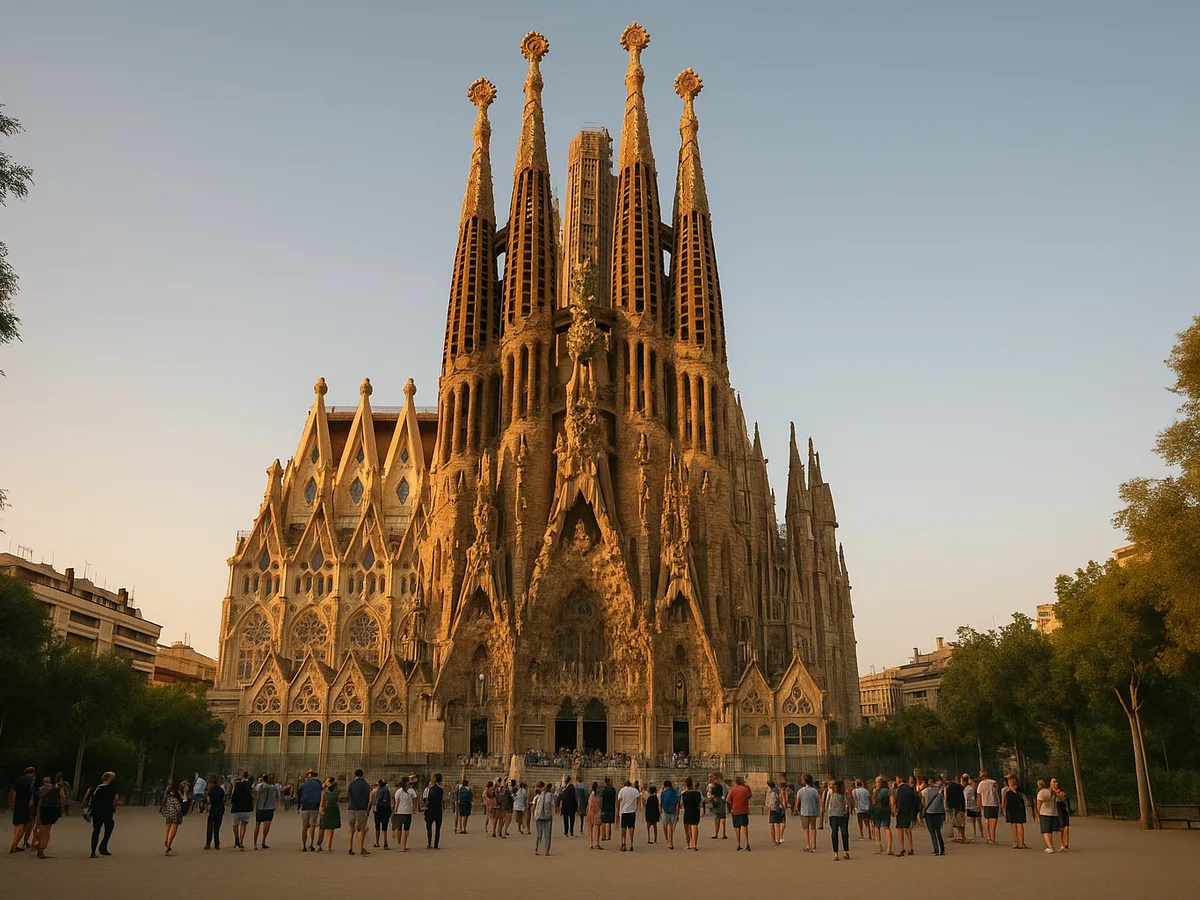
A guided walking tour works well if you enjoy detail. It is useful in the gothic quarter, where narrow lanes, hidden courtyards, and old stone buildings make more sense with context. Walking also gives you time to notice small features, from tile work to doorways. The trade off is that it asks more of your feet. Comfortable shoes matter, and frequent stops are a plus.
A hop-on hop-off style route is practical when you want broad coverage without planning every transfer. It can connect major areas and give your legs a rest. The trade off is less time inside each place, plus waiting between departures. It is best used as a way to see the city shape, not as a substitute for exploring on foot.
A mixed approach is often the easiest to enjoy. Use a bus or metro for longer jumps, then walk the final streets. This keeps the day moving while still leaving room for close-up time at places such as la sagrada familia or park güell.
Pick a theme instead of collecting names
Many visitors begin with a list of famous sights and try to fit them all in. That can work, but it often produces a flat day. A theme gives the route a clearer shape. Possible themes include architecture, medieval streets, food, viewpoints, or a first introduction to the city.
If architecture is the priority, build the day around Gaudi and his contemporaries. la sagrada familia and park güell can anchor the plan, with time for the streets between them. If history appeals more, start in the old centre and include barcelona cathedral before moving outward. If views matter most, consider a route that includes montjuic, where the climb is rewarded with wide perspectives over the city and waterfront.
A themed route also helps when something has to be cut. If a stop is running late, you know which places are essential and which are optional. That makes the day feel calm rather than rushed.
Read the route carefully
Once a route looks promising, read the stop list in detail. Look for the order of stops, the time allowed at each one, and whether entry tickets are included or simply suggested. This matters because some landmarks need advance planning, while others can be enjoyed from outside.
Check how much of the route is actually guided. Some tours give full commentary, while others offer information only at selected points. Neither is wrong, but they suit different expectations. If you want stories and historical context, look for a guided walking tour with clear commentary. If you prefer independence, choose a format with flexible stops and clear meeting points.
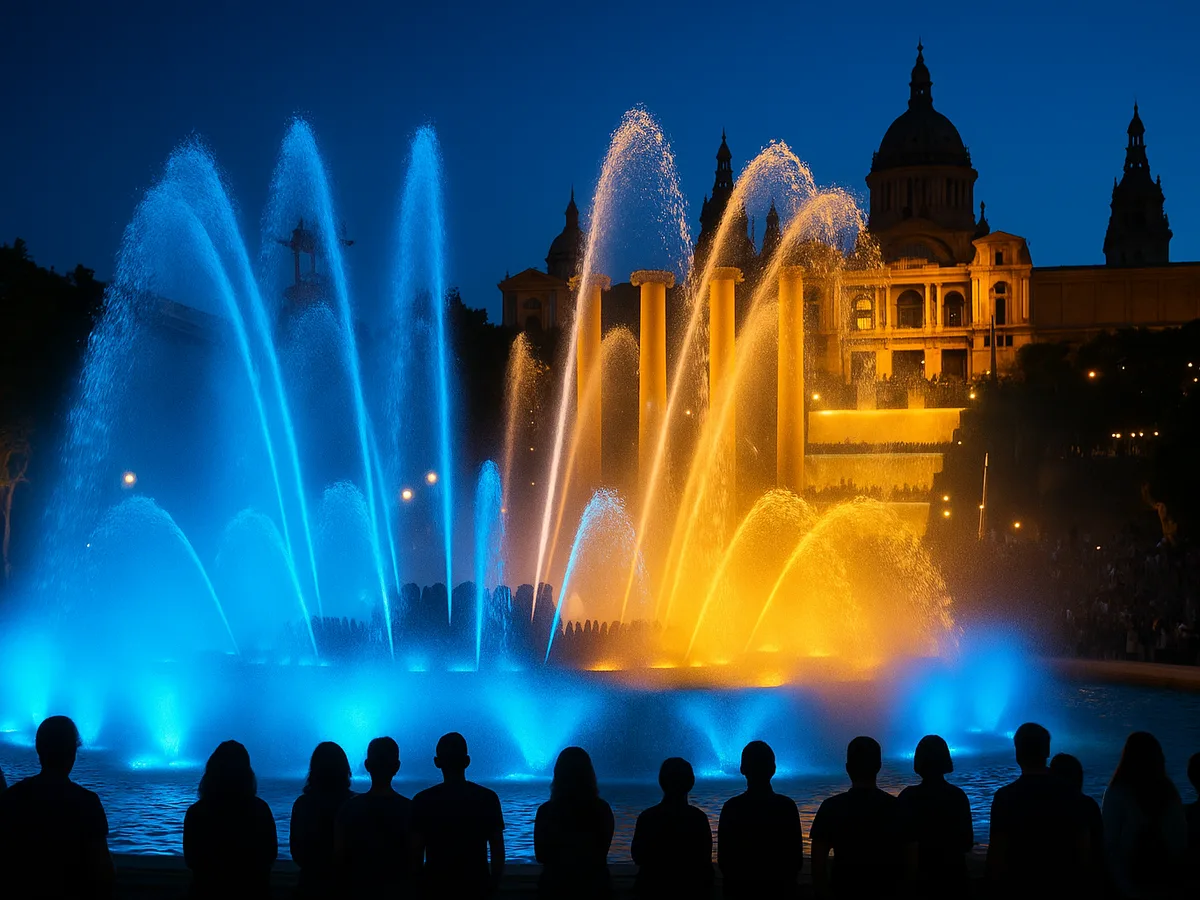
Also look at group size and pace. Smaller groups tend to move more easily through busy streets, though they may still feel slow at popular stops. A faster pace can cover more ground, but it leaves less time for questions and photographs. For a first visit, a moderate pace is usually the better choice.
Match the tour to the season and time of day
Barcelona changes noticeably across the day. Morning light suits photography and quieter streets. Midday can be hot and busy, especially in open areas and around major attractions. Late afternoon works well for plazas, waterfront walks, and views, though popular sites may still be crowded.
Season matters too. In warmer months, plan shade and water breaks, and avoid long exposed stretches at peak heat. In cooler or wetter months, choose a route with indoor stops and shorter outdoor sections. A good barcelona city tour should leave enough space for weather changes rather than assuming every hour will be perfect.
Weekends and local holidays can also change the feel of a route. Streets may be busier, some venues may open on different schedules, and certain areas may have events. Check opening times before committing, particularly for landmarks that require tickets.
Check access, language, and practical details
Practical details can make or break the day. Start with language. Commentary is only useful if you can follow it comfortably. If the tour includes several languages, check how that affects the flow of the visit.
Next, consider mobility. Barcelona includes uneven pavements, steps, slopes, and crowded pavements in busy areas. If anyone in the group needs a slower route or step-free access, confirm this before booking. Do not assume that a short distance means an easy route, especially around older districts or viewpoints.
Meeting points are another detail worth checking. A clear location near a landmark, metro stop, or open square is easier than a vague address. Confirm what happens if you arrive late, and whether the route ends in a different place from where it starts. That affects the rest of your day.
Finally, check what is included. Some routes focus on exterior viewing, while others include entry to major sites. Some allow free time for lunch, while others keep the group moving. Read the small print with the same care you would use for any city activity.
Leave room for the city itself
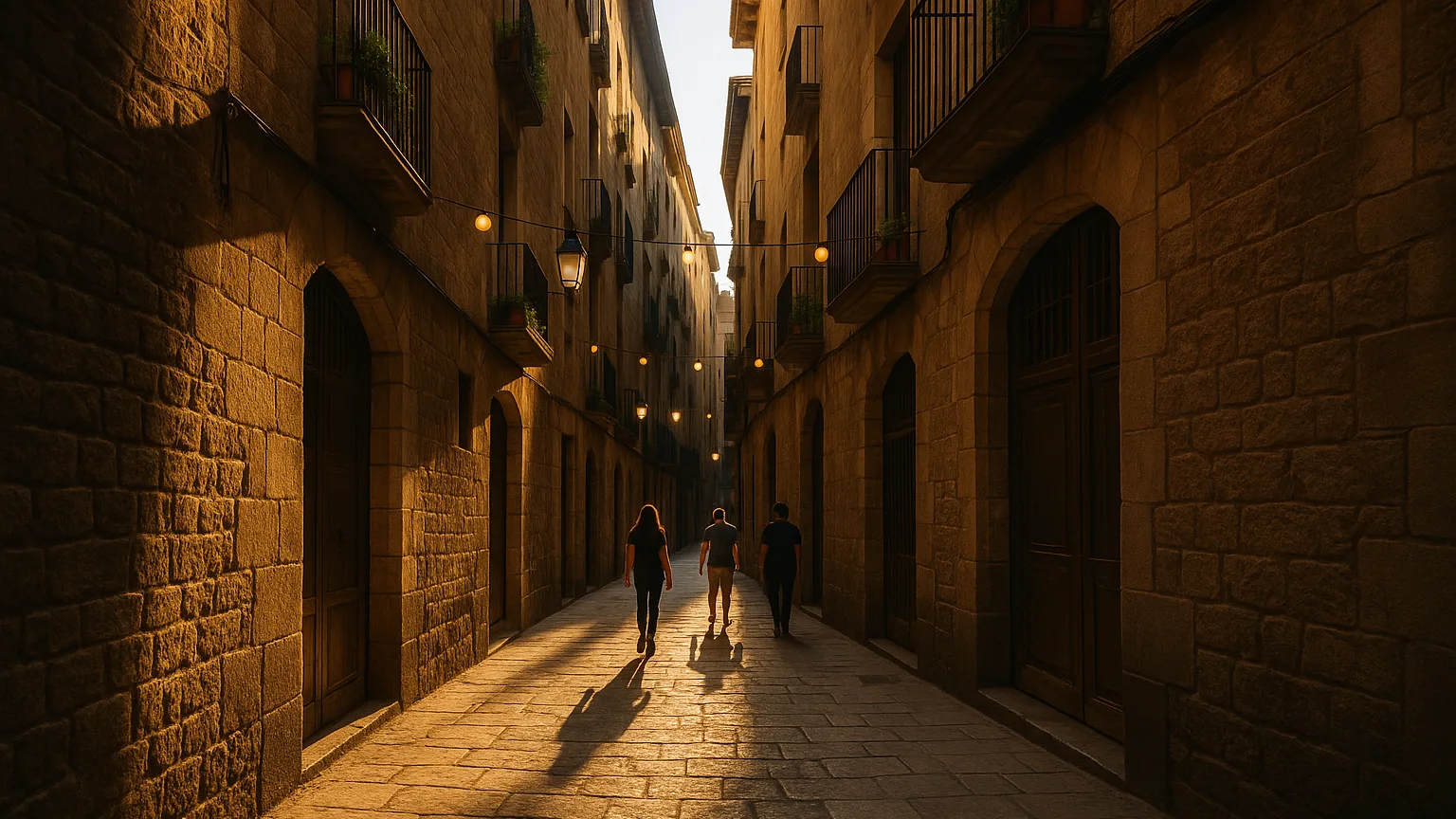
The most memorable parts of Barcelona often sit between the planned stops. A quiet courtyard, a market aisle, a tiled facade, or a view from a hill can be as worthwhile as a headline attraction. A well chosen barcelona city tour gives structure without removing spontaneity.
That is why the last check is personal. Ask whether the route leaves time to pause, whether the pace feels realistic, and whether the themes match your interests. If the answer is yes, the tour is likely to feel like a good use of the day. If the route looks impressive but leaves no space to breathe, it may be better to shorten it and enjoy the city at a human pace.
A strong choice usually comes down to three things: a clear theme, a realistic route, and enough flexibility to handle crowds, weather, and simple curiosity. Get those right, and the rest of the day tends to fall into place.
Ends · GETBARCELONACITYTOUR